 Photo by Marek Piwnicki / Pexels
Chasing Katabatic Winds Across the Southern Patagonian Wilderness
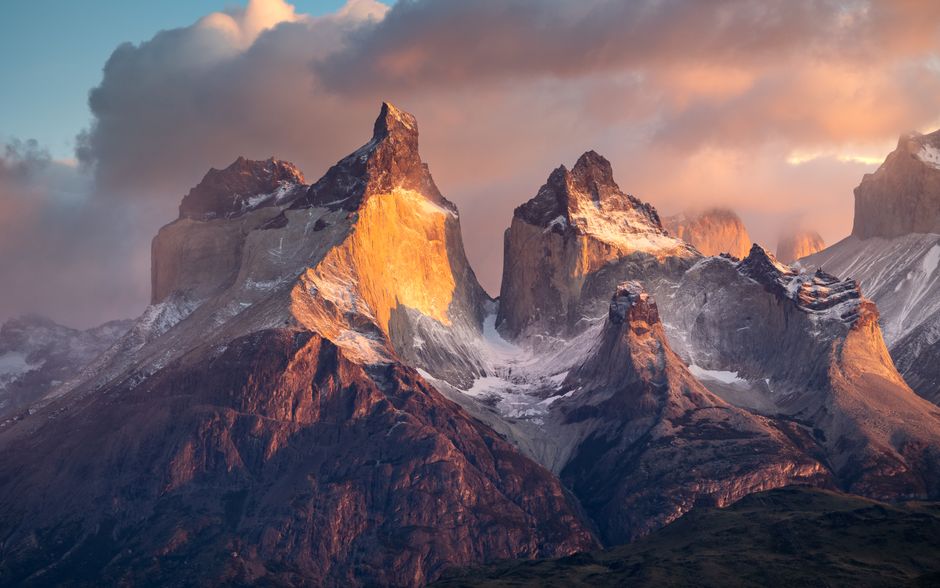
The roaring winds of Southern Chile hit your face with the force of an alpine storm, carrying the clean scent of crushed lichen and ancient ice. Gazing out over the vast expanse of South America’s southern tip, trekking through the wild glacial valleys and soaring peaks of Patagonia feels less like an ordinary vacation and more like an initiation into raw wilderness. Here at the edge of the inhabited world, massive blue ice fields carve deeply through ancient granite massifs, creating landscape views that defy human imagination.
For creators who explore the remote corners of our planet with technical cameras and FPV drones, Patagonia represents the ultimate holy grail. The dramatic contrast between shimmering turquoise lakes, jagged granite needles, and vast icefields offers an endless cinematic canvas. As you step onto the dusty trail, every footstep crunching across river gravel and sub-Antarctic tundra connects you directly to the earth’s untamed vitality.
The sheer scale of this southern landscape humbles every traveler who crosses its borders. Weather systems roll in from the Pacific Ocean completely uninterrupted, smashing against the Andes mountains and dropping dramatic snowstorms or blinding sunshine in a matter of minutes. Living in rhythm with these intense weather cycles creates a deep sense of presence that stays with you long after you pack up your backpack and head home.
Selecting Your Route: The Classic W Trek vs The Untamed O Circuit
Planning an expedition into Chilean and Argentine Patagonia requires choosing a trail that matches your physical endurance and desire for solitude. The regional terrain varies from gentle steppe grass to technical alpine moraines, offering distinct experiences for every level of hiker.
The Iconic W Trek in Torres del Paine
The famous W Trek in Torres del Paine National Park remains the most popular route in South America for good reason. Stretching roughly 50 miles across iconic geography, this trail hits the region’s top highlights. You will hike through the Ascencio Valley to the Base of the Towers, explore the dramatic French Valley, and stare across the gargantuan ice cliffs of Grey Glacier.
The Remote Full O Circuit Loop
If you seek a deeper escape into untouched wilderness, the full O Circuit encompasses the entire Torres del Paine massif over eight to ten demanding days. This extended loop takes hikers around the back side of the mountains and high over John Gardner Pass. From the top of this high mountain pass, you are treated to breathtaking views of the vast Southern Patagonian Ice Field stretching to the horizon.
Trail Comparison for Adventure Travel
- The W Trek: 4 to 5 days, moderate difficulty, full access to refugios, established campsites, and warm showers.
- The O Circuit: 8 to 10 days, challenging terrain, requires complete self-sufficiency and remote backcountry camping gear.
- El Chaltén Day Hikes: Flexible center-based hiking in Argentina, offering world-class access to Fitz Roy and Cerro Torre.
- The Huemul Circuit: 4 days of rugged, unmaintained trails, harness-assisted river crossings, and sweeping views of Glacier Viedma.
Whichever route you select, the journey demands deep respect for distance, rapid weather shifts, and steep elevation changes. Navigating these trails reveals a wild realm carved continuously by wind, meltwater, and shifting ice masses.
Capturing Glacial Valleys with High-Speed FPV Cinematography
Flying FPV drones in Patagonia presents a dynamic mix of unparalleled cinematic opportunities and intense environmental challenges. The fierce katabatic winds tumbling off the glacial ice sheets can easily swallow a light drone if you fail to respect local atmospheric dynamics. When the wind drops during early morning golden hour, launching an acrobatic FPV quadcopter over a carved glacial valley yields footage that looks like high-budget cinema.
Skimming low over rushing meltwater rivers before climbing vertically alongside thousands of feet of sheer granite walls demands absolute focus. The visual dynamic of bright turquoise lakes adjacent to deep green lenga forests creates mesmerizing color contrast on camera sensors. Long-range cinematic drones reveal the hidden geometry of crevasses and hanging glaciers that remain completely invisible from ground level.
Pilots must remain vigilant regarding regional drone regulations and environmental conservation laws. National parks like Torres del Paine strictly prohibit non-permitted drone flights to protect native birds and preserve mountain peace. However, flying in authorized surrounding valleys and public lands across the Argentine border allows pilots to capture breathtaking aerials safely and responsibly.
To capture optimal winter and summer footage, always keep your lithium polymer batteries warm inside your down jacket until the exact moment of flight. Cold ambient temperatures rapidly drain battery voltage, shortening flight times dramatically. Setting up high frame rates and using neutral density filters helps smooth out high-speed proximity moves along jagged cliff walls.
Navigating the Granite Towers and Icefields of Chilean Patagonia
The steep climb up toward the Mirador Base de las Torres is a rite of passage for every Patagonian trekker. Leaving the wind-sheltered beech forests of the Ascencio Valley, the trail turns abruptly upward through a steep boulder-strewn moraine carved by ancient glacial retreats. Your breath comes fast in the crisp mountain air, but turning around reveals sweeping panoramic views of golden pampa stretching toward distant horizon lines.
Reaching the glacial lagoon at the base of the three vertical granite monoliths offers a moment of total stillness. The towering rock spires reach high into swirling mountain clouds, reflecting their grey faces into the freezing water below. It serves as a striking reminder of the slow, unstoppable geological forces working over millions of years to build this geography.
Continuing westward into the French Valley, hikers find themselves encircled by a massive natural amphitheater of horn-shaped peaks and suspended glaciers. Thunderous rumbles echo across the canyon every few hours as massive ice blocks break off Glacier Francés and plunge down vertical rock walls. Sitting on a granite ledge listening to the ice roar while eating a simple trail lunch is an unforgettable sensory memory.
Further west along the trail, Glacier Grey dominates the landscape. The immense wall of bright blue ice spills directly out from the Southern Patagonian Ice Field into Lake Grey. Walking along the high suspension bridges suspended over deep gorges gives you a dramatic bird’s-eye view of roaring water crashing toward the ocean.
Essential Gear for Patagonia’s Unpredictable Alpine Microclimates
The weather across southern Chile and Argentina is notorious for cycling through all four seasons within a single afternoon. Warm sunshine can instantly vanish behind a dark wall of snow-bearing clouds driven by 60-mile-per-hour wind gusts. Proper technical gear selection makes the difference between a high-altitude trip of a lifetime and dangerous hypothermia.
Your layering strategy must prioritize total wind protection and active moisture management. Heavy cotton clothing must stay at home; technical synthetics and high-grade merino wool are absolute necessities for staying warm while sweating on steep uphills.
- Three-Layer Shell System: High-performance waterproof jacket with fully taped seams, breathable fleece mid-layer, and merino base layer.
- Four-Season Mountain Tent: A heavy-duty tent with durable aluminum poles capable of enduring violent gale-force winds.
- Sturdy Ankle-Support Boots: Rugged, well-broken-in leather or synthetic trekking boots with deep lugged soles handle loose scree and deep mud.
- Dual Trekking Poles: Sturdy aluminum poles provide crucial balance on steep descents and wind-buffeted alpine ridge lines.
- Cinematography Weather Protection: Heavy-duty dry bags and sealed hard cases to protect sensitive camera bodies and custom drone gear.
Investing in top-tier gear before leaving home is critical. Equipment shops in gateway hubs like Puerto Natales and El Calafate offer gear rentals, but buying technical outdoor apparel locally often comes with high import taxes and limited size availability.
Preserving the Sacred Silence of the Southern Ice Fields
As global travel grows, practicing sustainable environmental ethics becomes essential for protecting fragile mountain wildernesses. Patagonia’s sub-Antarctic ecosystems recover very slowly from human disruption, with high-altitude mosses and slender lenga trees taking decades to regenerate after damage.
Following strict Leave No Trace principles protects pristine drinking water sources and native wildlife species like the endangered Andean Huemul deer and elusive mountain pumas. Pack out every single scrap of trash, stick strictly to established trail paths, and use designated campsites to avoid damaging sensitive flora.
Trekking through the wild glacial valleys and soaring peaks of Patagonia leaves a permanent mark on your spirit. The sheer verticality of the granite massifs, the roaring mountain winds, and the deep blue glow of ancient ice reshape how you experience nature. Long after your boots have dried and your camera batteries have recharged, the raw magic of Patagonia calls you back to the untamed edge of the map.